



Default
feet-on-beach

slay stress


Stress is the body’s reaction to any change (environmental, physical, emotional) that requires an adjustment or response. Sometimes referred to as “dynamic equilibrium,” it means the body must maintain balance in order to survive, no matter what opposing forces it encounters. Hans Selye introduced the  idea of the “Hypothalamic-Pituitary-Adrenal” response suggesting three different areas of the body would release  hormones and/or neurotransmitters necessary to handle this force of change. We have external stressors like changing temperatures, driving in traffic, dealing with difficult people, as well as internal stressors like our nutritional status (what we are/are not eating), our sleep patterns, exercise (or lack thereof) that all contribute to  our overall stress levels. And remember, not all stress is bad! Stress helps keep us alert and ready to avoid danger. It becomes negative when there is continuous stress without relief or relaxation between challenges.

We all recognize some of the negative effects of stress – headaches, digestive issues, high blood pressure, sleep disorders, diabetes, depression, skin rashes, fatigue, eating disorders, weight gain, hair loss, drug or alcohol abuse, to name a few. Left unchecked, chronic stress can lead to other problems as multiple body systems are compromised. Have you ever witnessed someone under a lot of stress getting sick more frequently? The immune system is compromised and can’t fight off infection as efficiently. The brain, the reproductive system, the digestive system – almost every system in your body will have some type of adverse reaction to chronic stress. So what are we to do?

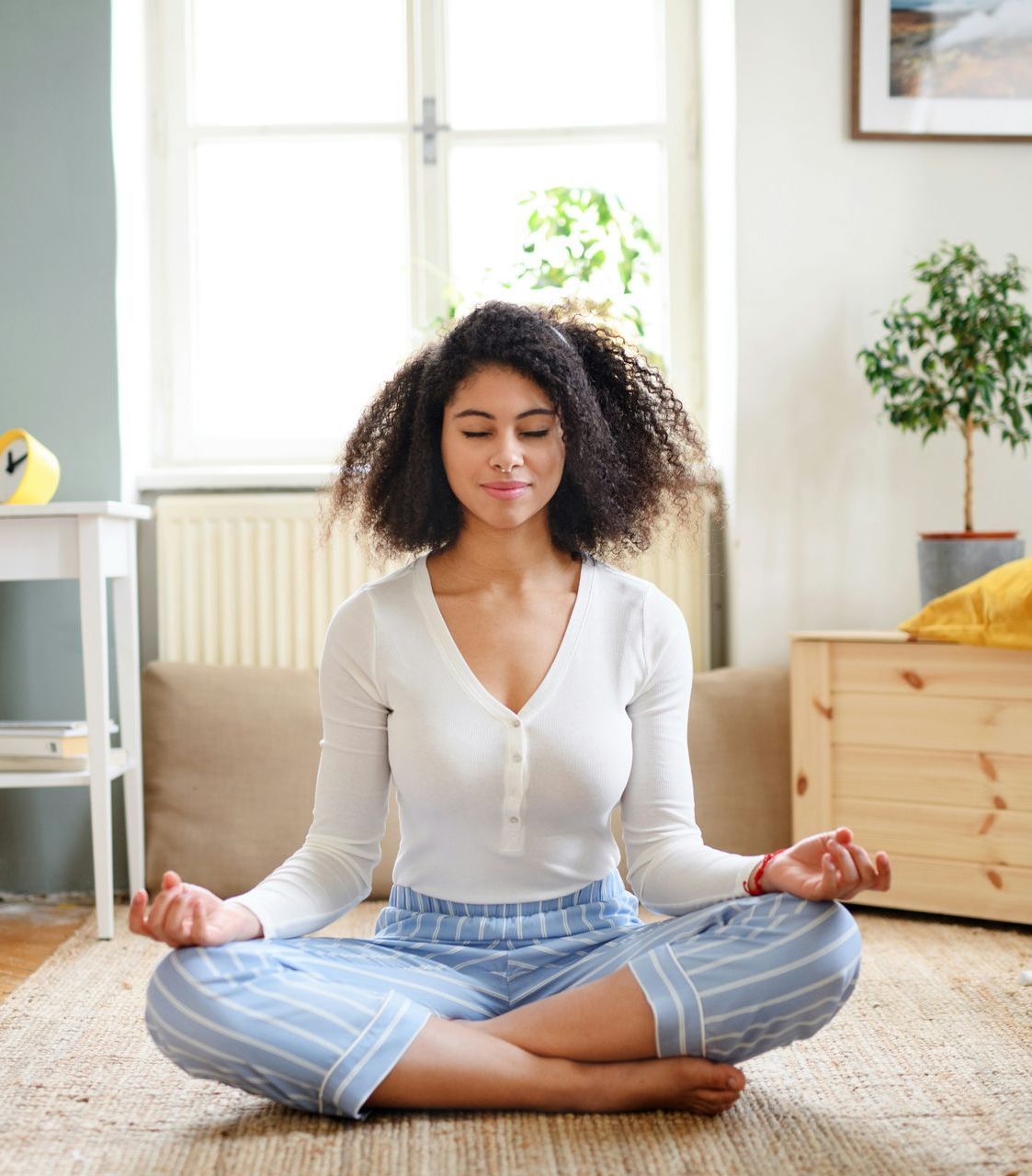
Remember, your body is always trying to return to homeostasis. When we relax and allow a break in stress, we at least limit the challenges stress presents to the body. So, step one is to relax, and even though we know we need it, putting relaxation into practice on a daily basis seems to be one of the biggest challenges most of us face.  Meditation, exercise, yoga, being outside, gardening, laughing, talking – all are forms of relaxation.

Find your own form of relaxation, not what is politically correct, what your friend says, or what you read in an article – it’s what works for YOU! Relaxation is step number one in dealing with the negative aspects of stress. Step two involves an evaluation of the source(s) of your stress and if it can be avoided, removed, redirected, or eliminated. Perhaps it’s an unknown or unidentifiable cause that can be addressed if exposed.

But, recognizing and addressing the need to support your body in handling the physical challenges is critical. There are some basic facts that everyone should understand before attempting to select supplements for a system beleaguered by stress.

As previously noted, when we are under stress, the immune system is compromised, the digestive system doesn’t function optimally, and cognitive response is impaired. Remember internal stress? What are you eating? Basic multivitamin supplementation (preferably one that is predominantly from food) is a good start since all of our cells need basic vitamin and minerals to function properly.

There are other challenges to consider. B vitamins, especially, are rapidly depleted under stress and should be supplemented in their co-enzymated (bioactive/metabolically active) form so the liver will not be overly-taxed.  Add digestive enzymes to your supporting mix along with Ashwagandha (an adaptogen) to assist the body in maintaining more normal cortisol levels. There are a other good options, depending on your individual needs.

Do your research, talk with your natural health care provider, ask questions. Take a little time to relax each day. Learn to manage stress and supplement correctly. Don’t let stress control you – enjoy and embrace life. To your health!


Stress, the Good, the Bad, and What to Do When it Gets Ugly
by Audrey Ross


Audrey Ross, Naturopathic Physician, is National Educator for Country Life.